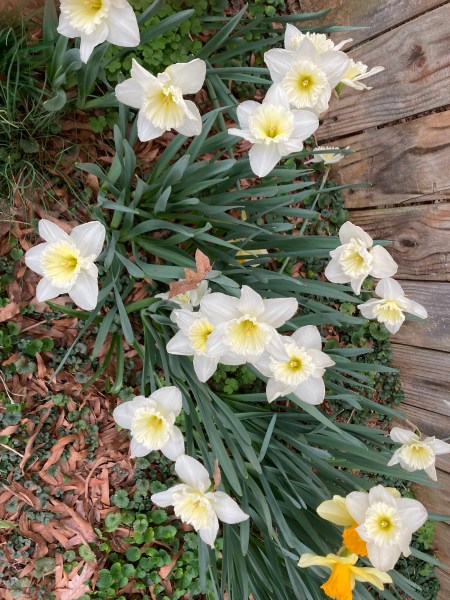
A Lovely Evening?

Yesterday evening two friends and their dog came by and sat with us two and our dog on the patio. We waved to neighbors walking with their dogs, pushing strollers, riding bikes. Everyone out enjoying the warm weather.

As we sat and talked, twilight drifted in and a trio of bats flitted overhead. The warm weather had called them out, too. I worried that these bats might not find enough insects up there to eat to replenish the energy they were flapping away hunting for them. After all, this is only the second week of March and a cold snap is predicted for tomorrow.

Of course, we will go back inside the house and close the windows. We’ll put on socks and sweaters and twist the thermostat. We’ve almost normalized these spurts of premature spring, these extended summers with stretches of killer heat, these long autumns and short winters with a bitter cold week or two thrown in.

I doubt these changes are that easy for bats and birds. The traveling birds seem to arrive earlier every year. Mornings here are already loud with the song. Yesterday I watched the local avian residents quarrel over bird houses and gather nesting materials. But if the insects already hatched in the heat of the last few days, will they survive through the next week of cold weather to be food for the bats and the baby birds soon to start cheeping in the nests?

How can insects, flowers, plants, birds and bats remain in sync when the weather isn’t?
For the Birds

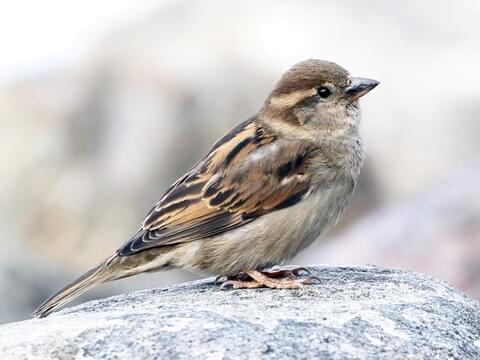
Sparrows defeat me.

Most birds here are easy to tell apart. A Blue Jay is obviously not a Cardinal and a Crow is not a Turkey Vulture. Woodpeckers can be confusing—a red headed woodpecker might be a Yellow-bellied Sap Sucker and the smaller Downy Woodpecker might be a Hairy Woodpecker except for the shorter bill. A wren is a wren but is it a Carolina Wren or a Northern House Wren? A quick look in a bird book and I can name that bird.

Except the sparrows.

Recently crystalline white snow covered the ground. Under the bird feeders, it was cross-hatched and scratched by a flock of birds. They were unusually easy to distinguish, their markings and colors plain against a white drop cloth and bathed in the soft light of grey skies.

This is my chance, I thought, to finally learn which sparrow is which.

I focused on a fat sparrow, pecking at seed scattered on the snow. His bold black and white striped crown set him apart from the other birds scrabbling alongside of him. .

But not in the bird book. And not on the bird app on my phone. He didn’t look exactly like any of these fifteen sparrows in the book or on the app. He was clearly not the House Sparrow with all that white on the throat or a White-throated Sparrow because I didn’t see a yellow patch above his eye. He somewhat resembled the Chipping Sparrow but the Chipping Sparrow had a rust colored crown. When the app threw out a reference to regional differences, I knew I was defeated.

I will never put in the effort necessary to distinguish sparrows. In spite of the more than fifty birds I can identify between sips of coffee and without moving from the porch swing, it is clear that I myself remain the Common Dilettante.

Sparrows called my bluff.